
Choosing a Campervan Smoke Alarm and Planning an Exit
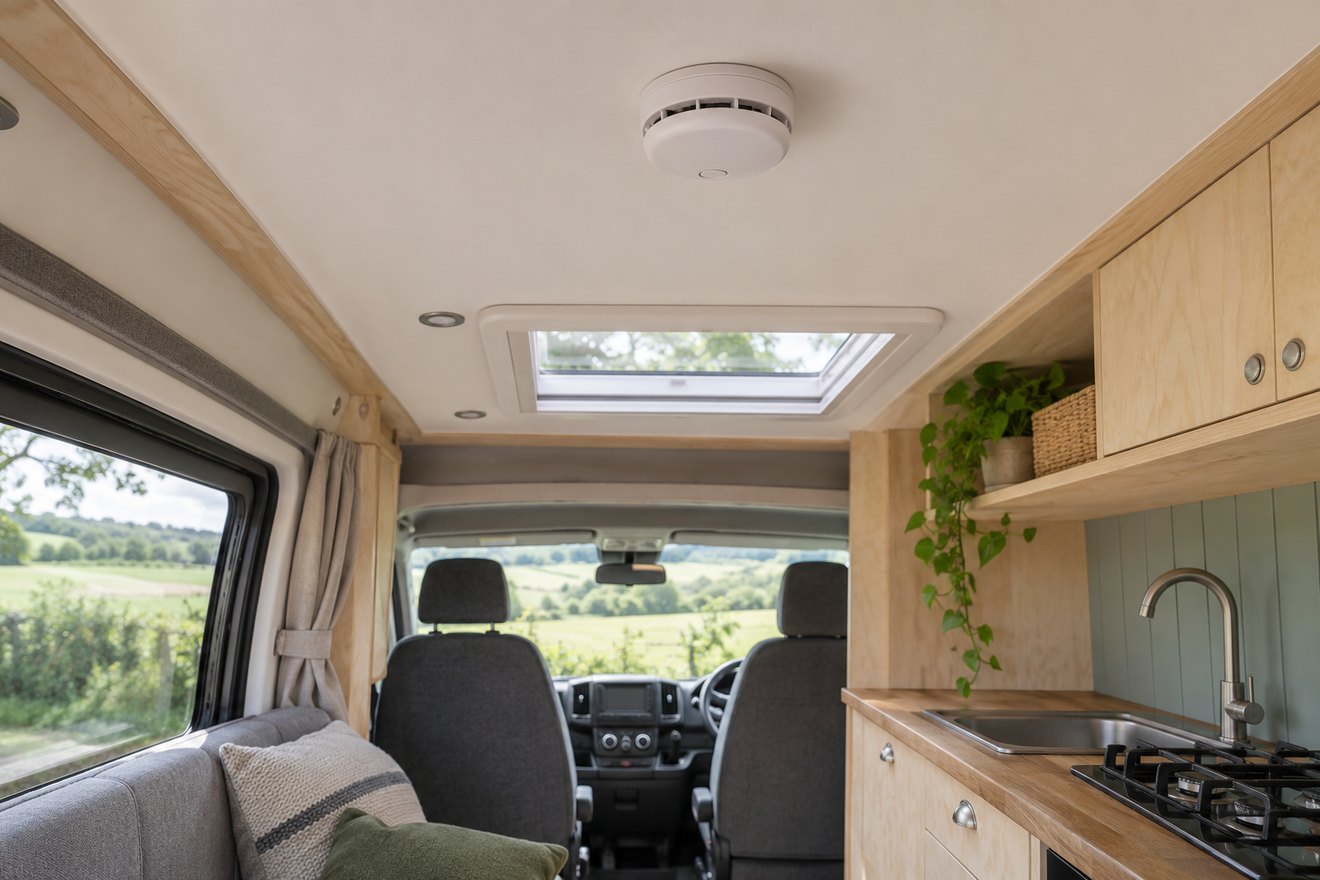
Choose a smoke alarm suitable for the campervan environment and check the manufacturer’s placement guidance, testing schedule and exit route.
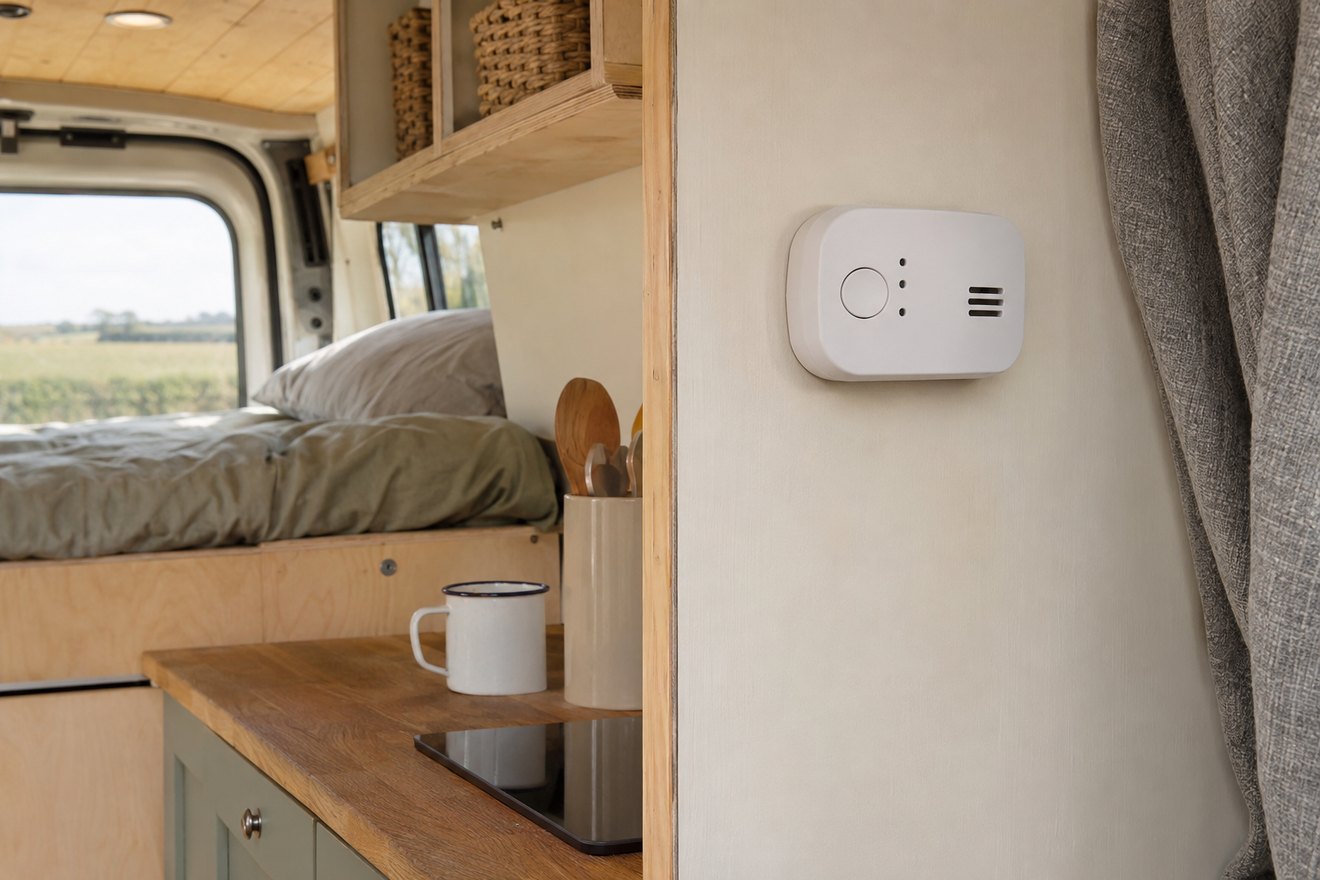
Choose a carbon monoxide alarm suitable for a campervan, follow its positioning and testing instructions, and plan what to do if it activates.
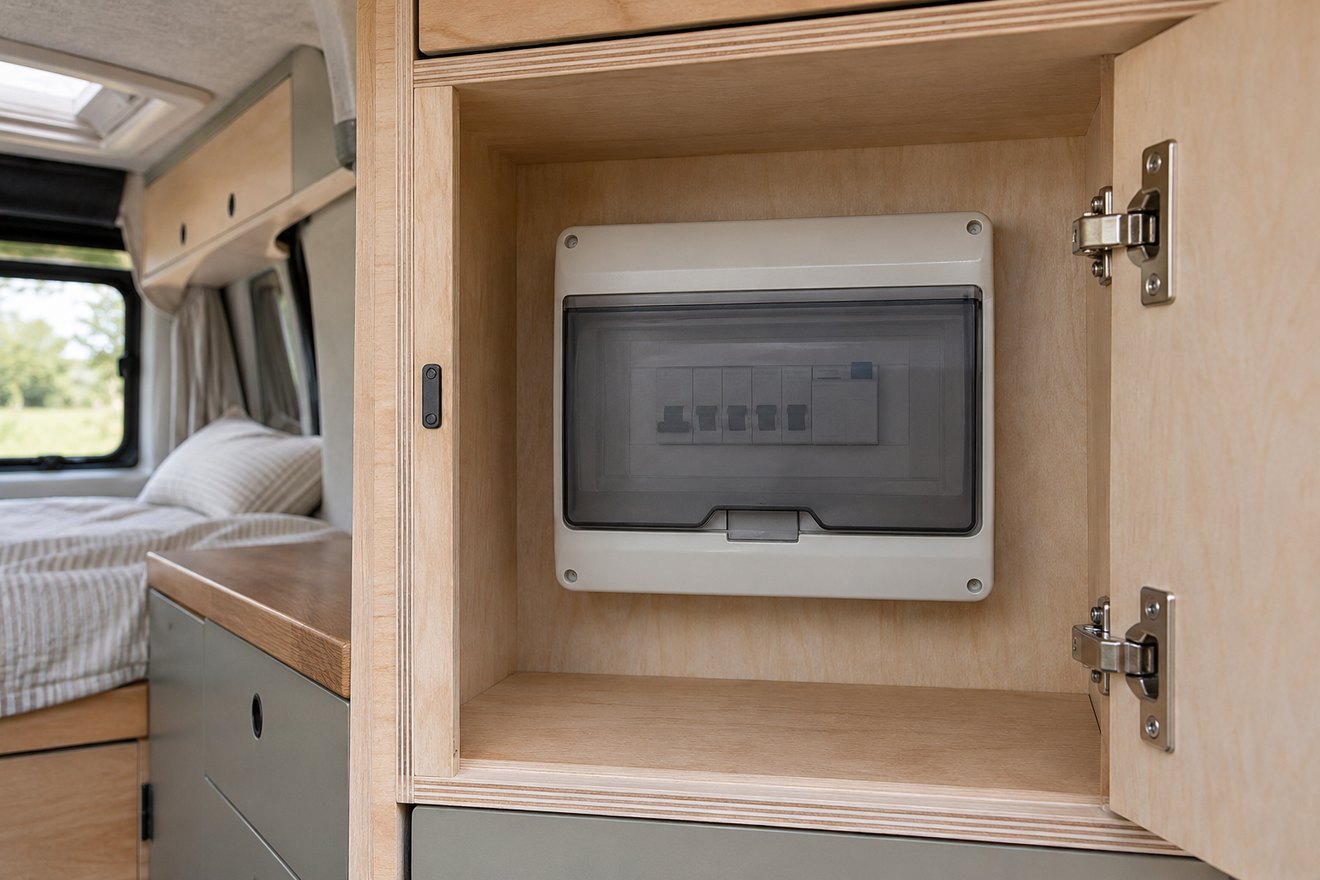
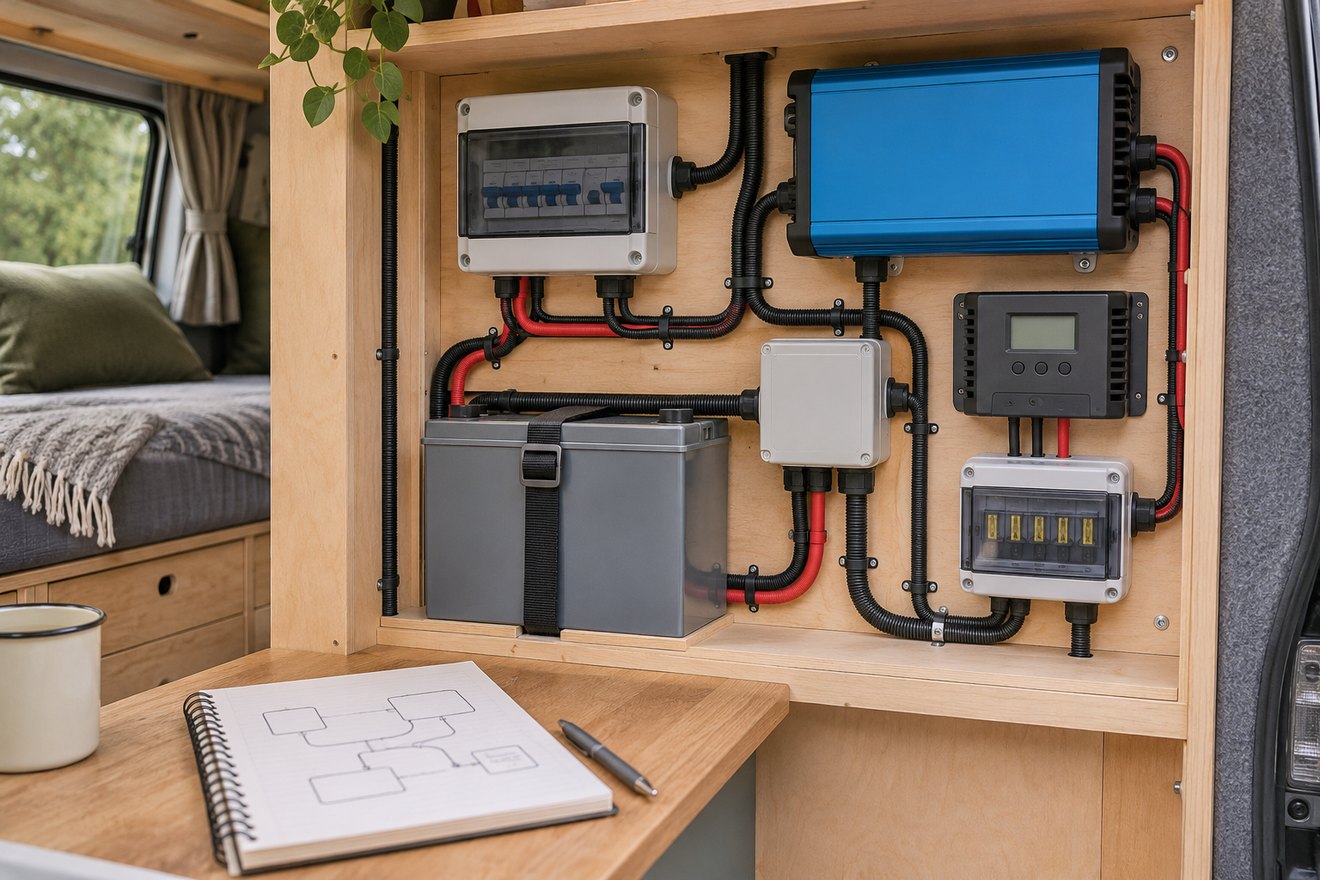
Give a campervan mains consumer unit a dry, accessible location and plan the layout and protection with an electrician experienced in vehicles.
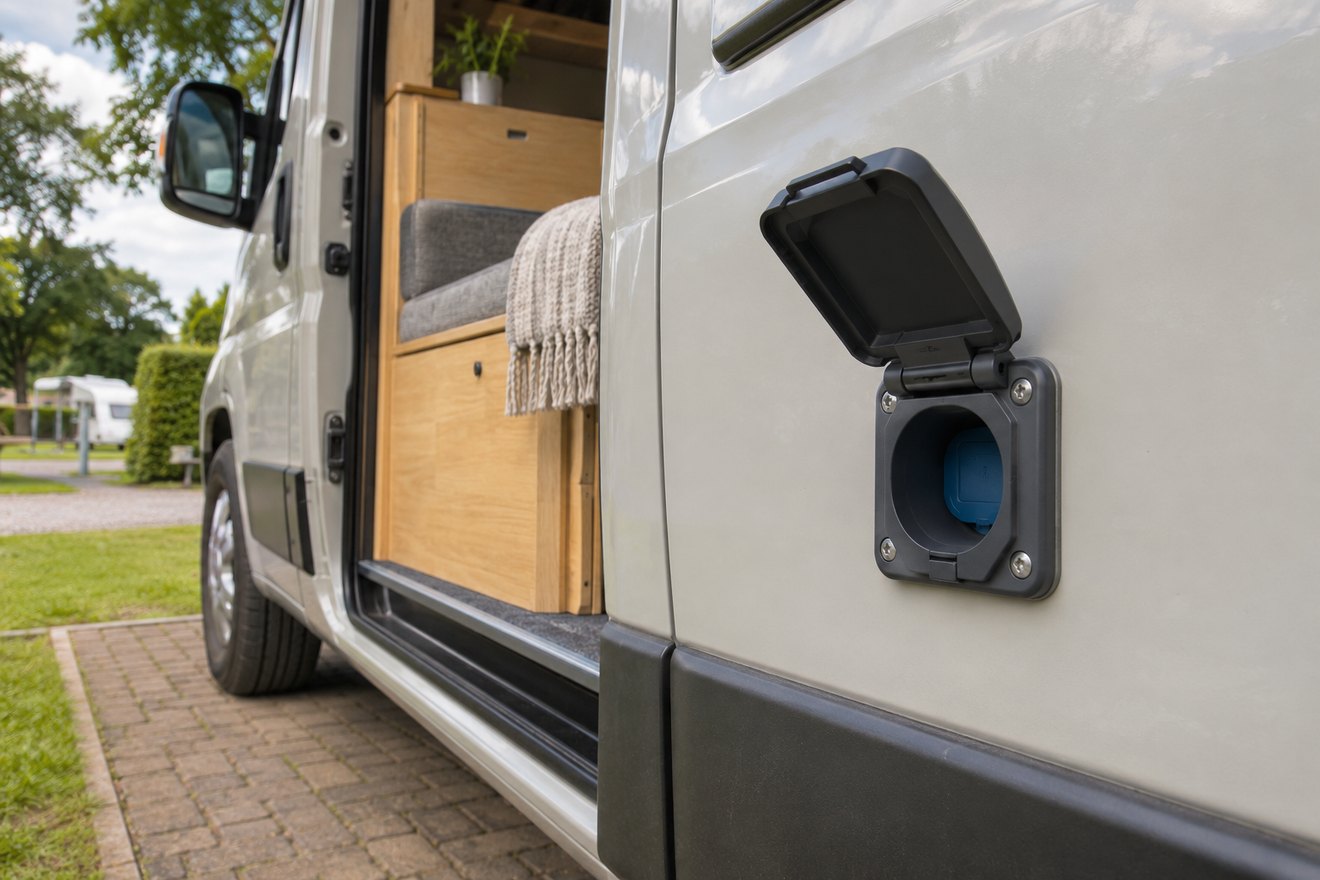
Choose a campervan shore power inlet location around cable access, water exposure and space for a qualified installer to inspect the connection.
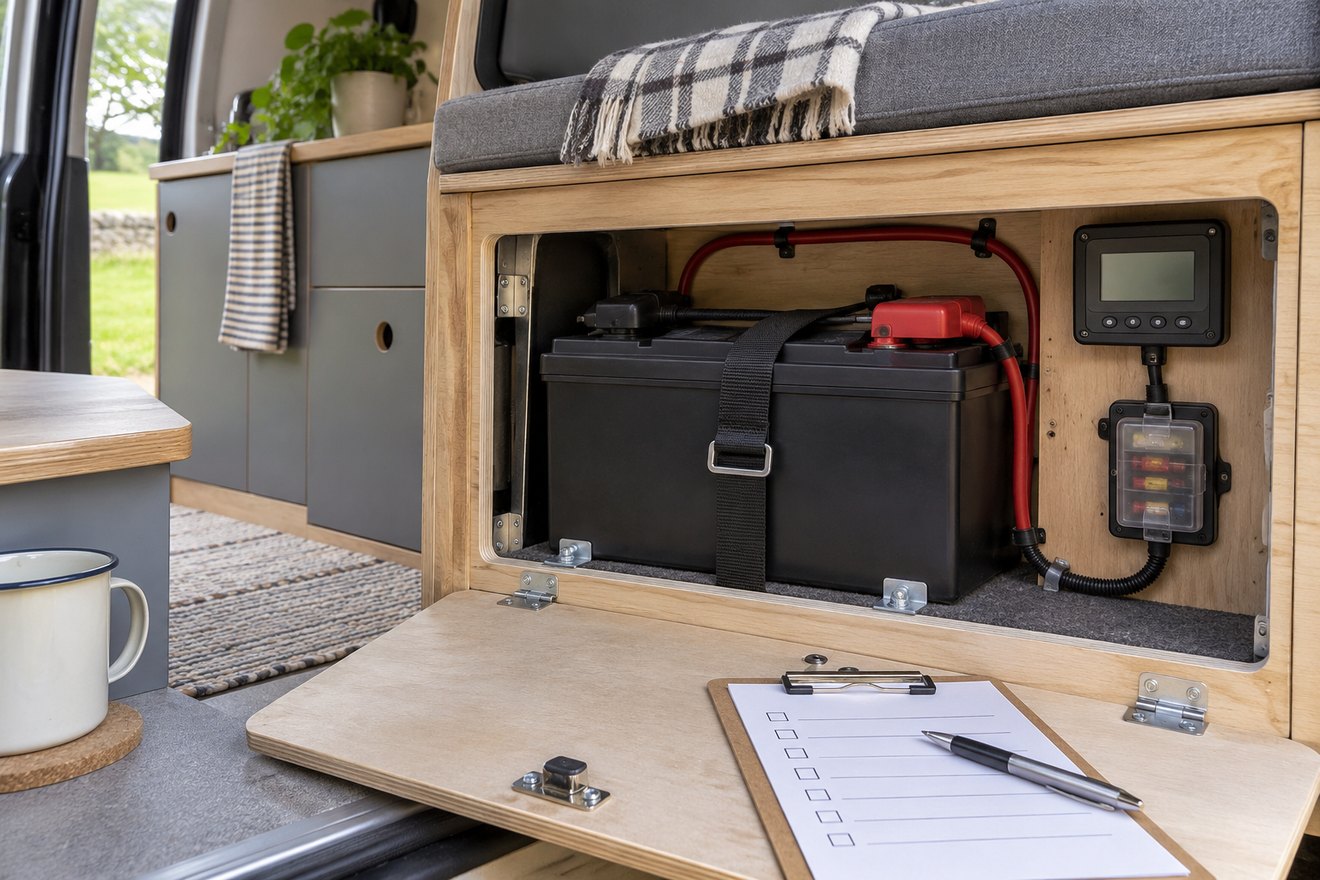
Work out which charging source has stopped working and record the battery state, charger indications and recent changes for troubleshooting.
Draw energy sources, protected circuits and isolation points in a campervan electrical system diagram and update it after installation.
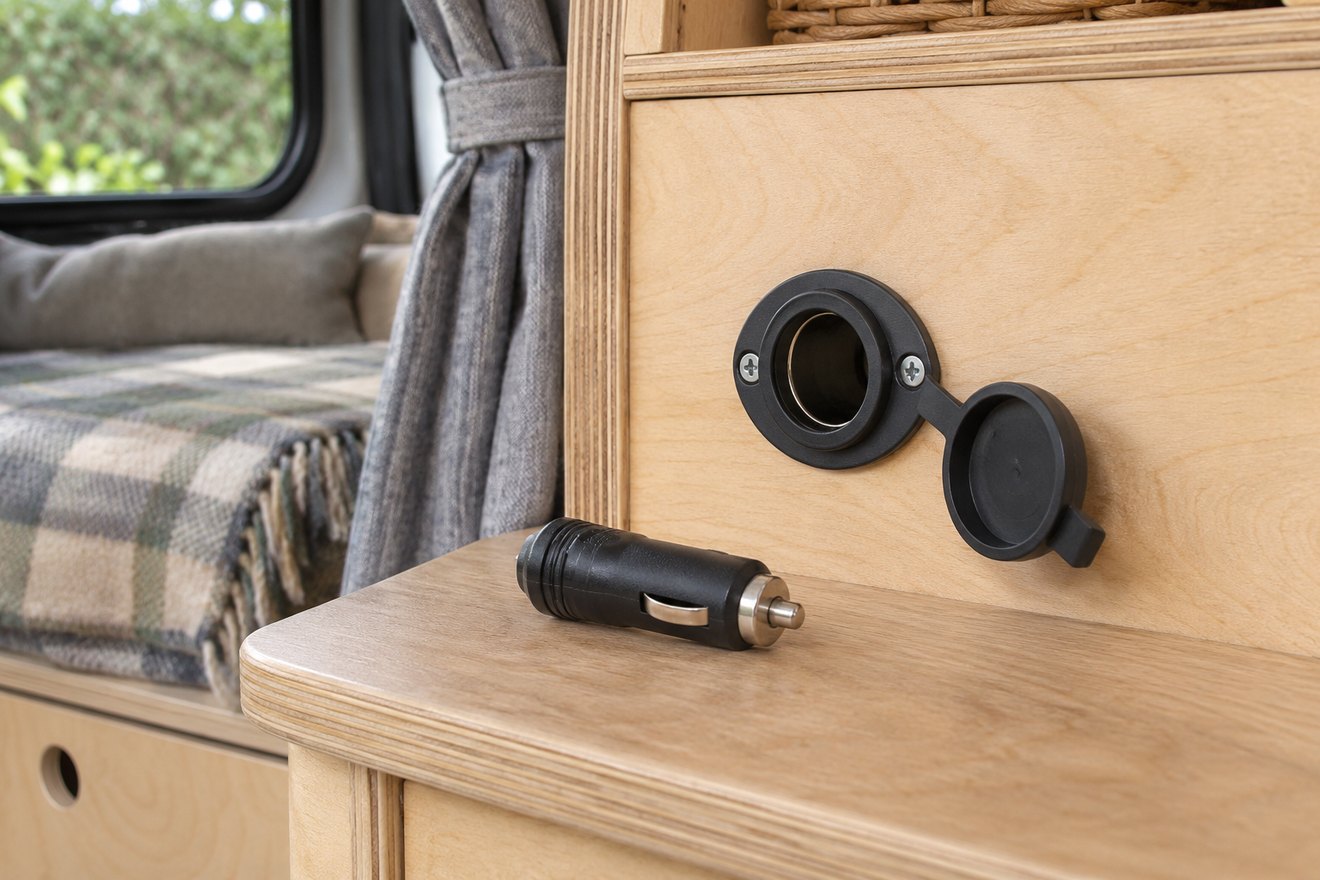
Place a 12 V campervan socket where the plug fits and leads stay clear, with circuit protection and load checked by an auto electrician.
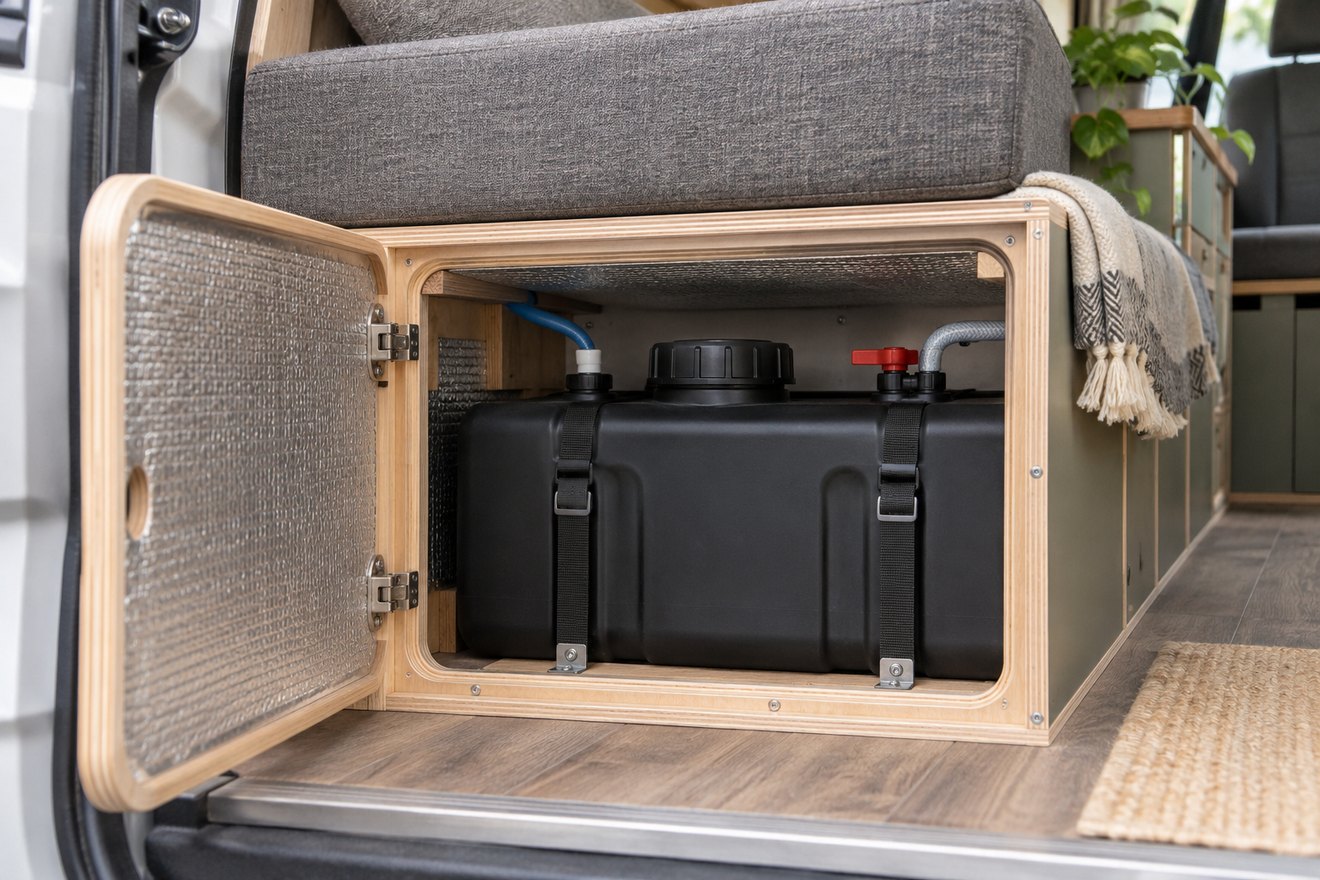
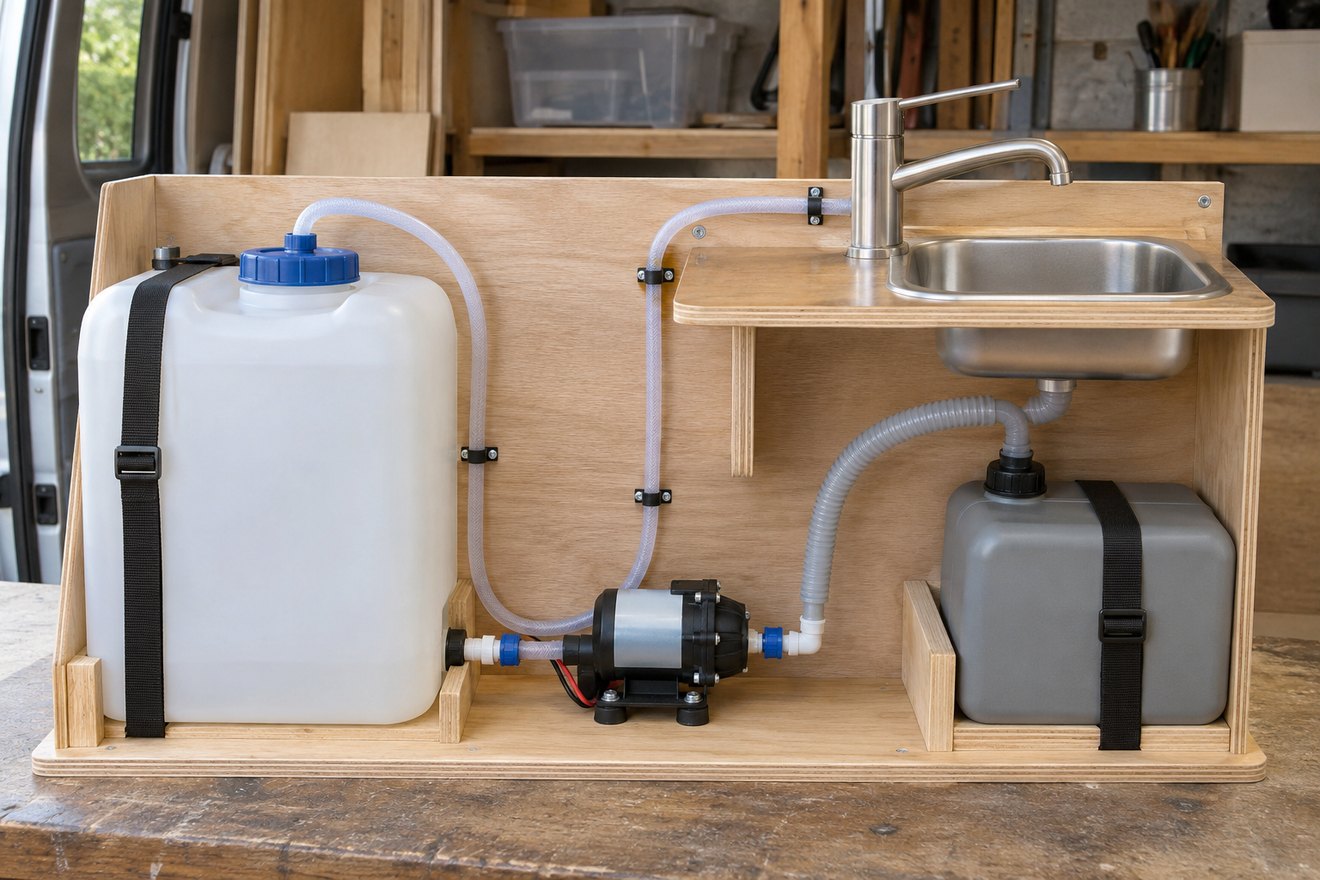
Compare tank positions, exposed fittings and winter draining before deciding how to insulate a campervan water tank for cold weather.
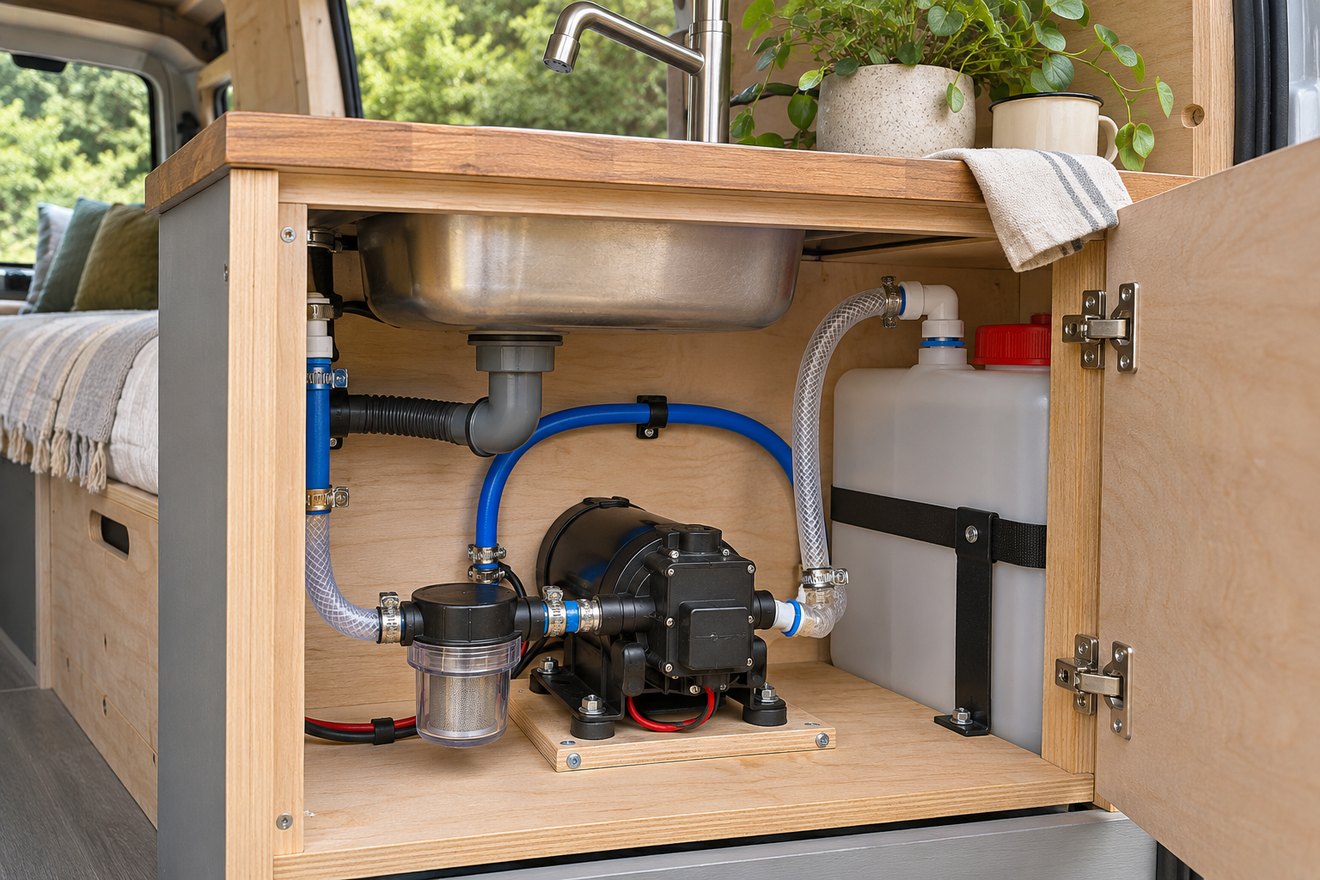
Organise symptoms when a campervan pump stops working and check water supply, controls and access before deciding whether the pump has failed.
Draw a campervan water system showing equipment, flow, drain points and service access, then check the drawing against the installed layout.